What Truly Defines a Real Promotion Engine?
Regardless of whether the market environment is favorable or challenging, employing a variety of promotional strategies remains a powerful tool in market competition.
Promotional activities can effectively guide consumer purchasing behavior. For instance, strategies like “buy more, get more” or “greater discounts for larger purchases” can stimulate consumption. At the same time, they can boost sales of related products through initiatives such as “discounts on specified products” or “gifts with purchases of certain product categories.” Additionally, promotions serve as an effective communication tool, attracting consumer attention through campaigns like “10th anniversary sale—30% off everything,” “grand opening celebration—20% off all items,” or “new product launch—10% off with a minimum purchase.”
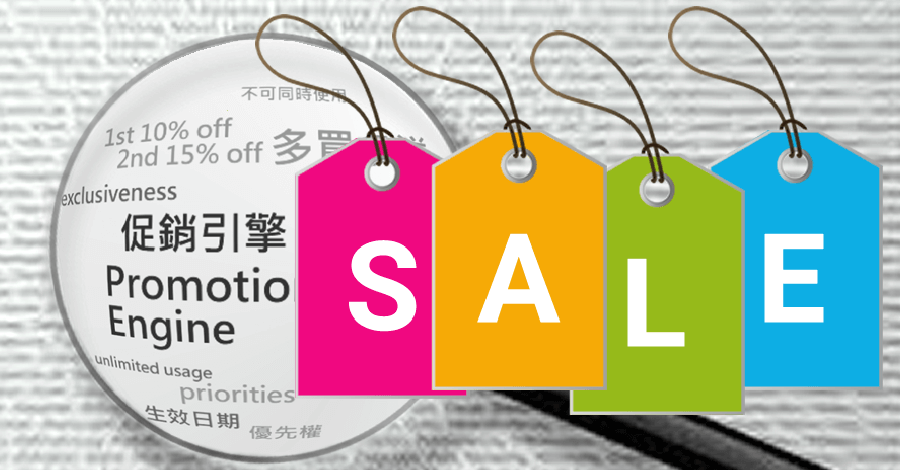
However, simply relying on a few basic discount rules does not qualify as a true promotion engine. A real promotion engine should possess the following capabilities:
- It should allow users to create a large number of discount rules simultaneously and set their activation or suspension dates.
- It should enable users to define rule priorities, usage limits, compatibility with other rules, applicability to regular-priced items, and whether stacking discounts is allowed.
- More importantly, such an engine should automatically execute these promotional activities on the POS system without requiring manual intervention.
As for managers, they can use data reports to identify which promotional rules are the most popular at any time, gaining deeper insights into consumer behavior and providing a solid foundation for planning the next round of promotional campaigns.
Only with such a flexible and powerful promotion engine can businesses truly integrate and enhance their ability to formulate promotional rules, making promotional activities a robust marketing tool.